
Carbon materials Europe can count on.
Battery-grade graphite, graphene and activated carbon, made in Rotterdam from captured CO₂ and recycled batteries.
Recover, then upgrade.
Both platforms work the same way. First we get clean carbon out of a waste stream. Then we engineer it into a material worth more than the one it replaces.
Platform 1
CO₂ Conversion and Upgrading
Patents pendingPlatform 2
Battery Recycling and Upgrading
PatentedThe metal-rich remainder, white mass, goes to metal recyclers as a graphite-free feed that raises their throughput.
What is proven so far
Results from our pilot work in Rotterdam.
85%
carbon recovery from black mass at our Rotterdam pilot
99.95%
graphite purity, matching virgin material in testing
<0.5%
ash in activated carbon made from captured CO₂
TRL 7
CO₂ unit being commissioned in an industrial Fieldlab
3
European battery makers evaluating our graphite
Platform 2 patented, Platform 1 patents pendingBacked by the EU Just Transition Fund, EFRO Kansen voor West and the Province of Zuid-HollandFull results
Why now
Europe has decided it needs its own supply of battery materials. The rules and the timelines are set.
Graphite is a strategic raw material for the EU
Under the Critical Raw Materials Act, Europe aims to process 40% and recycle 25% of its own strategic raw materials by 2030, with no more than 65% from any single country. Natural and synthetic graphite are both on the list.
Supply is concentrated, and political
China refines over 90% of the world's battery graphite. It has required export licences for graphite since December 2023 and widened them to synthetic graphite anode materials in 2025.
Battery makers must show where materials come from
Under the EU Battery Regulation, electric vehicle and large industrial batteries need a digital battery passport from February 2027, carrying origin, carbon footprint and recycled content data. Minimum recycled content rules follow from 2031.
Aeroborn recovers battery-grade graphite inside Europe, from Europe's own battery waste.
Materials
Carbon materials from two platforms: battery-grade graphite from recycled batteries, low-ash activated carbon from captured CO₂.
Spherical graphite particle, illustration after electron microscopy
Battery-grade graphite, recovered in Europe
Graphite is the largest component of a lithium-ion battery by mass. We recover it from black mass and purify it to battery grade, with performance matching virgin material, verified in testing at Bournemouth University.
Under evaluation with three European battery makers.
Ash is the mineral residue a carbon inherits from its feedstock. Coal and coconut values are typical for steam-activated grades.
Activated carbon with ash below 0.5%
Most activated carbon is made from coal or coconut shell, and inherits their minerals as ash: silica, iron, calcium and alkali metals. Removing it takes extra acid washing. Our carbon grows from captured CO₂, a gas with no mineral content, so ash stays below 0.5%, a level other feedstocks usually reach only after extra purification.
Low ash matters where impurities cost performance: supercapacitor electrodes, where ash raises resistance and self-discharge; catalyst supports; and purification in food, pharma and drinking water.
Projects
Two pilot lines at the Port of Rotterdam, one for each platform.
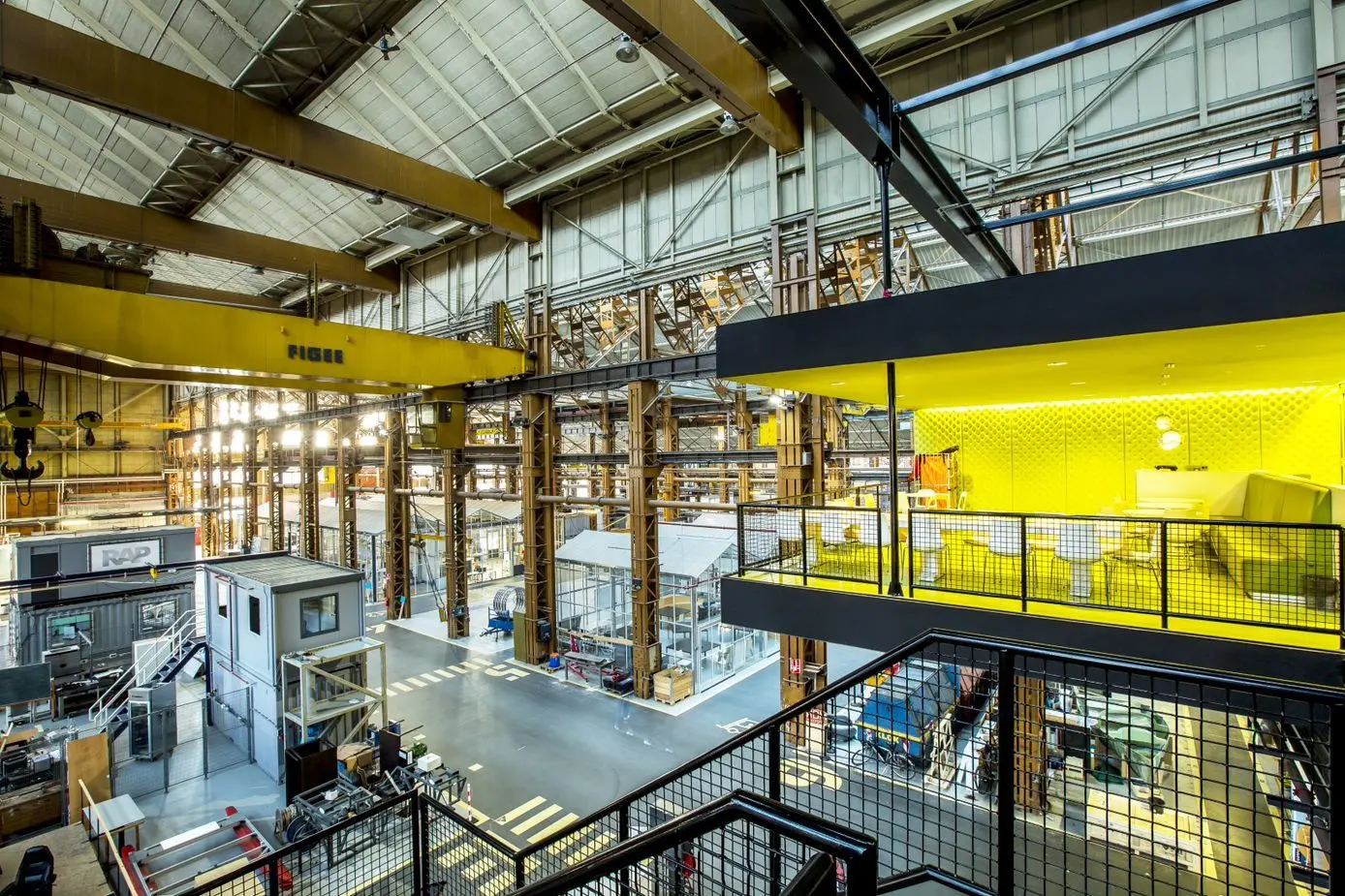
Circular Battery Graphite and Graphene, Rotterdam
The first pilot that recovers battery grade graphite from waste and upgrades it into few layer graphene, at the Port of Rotterdam.
Read the case study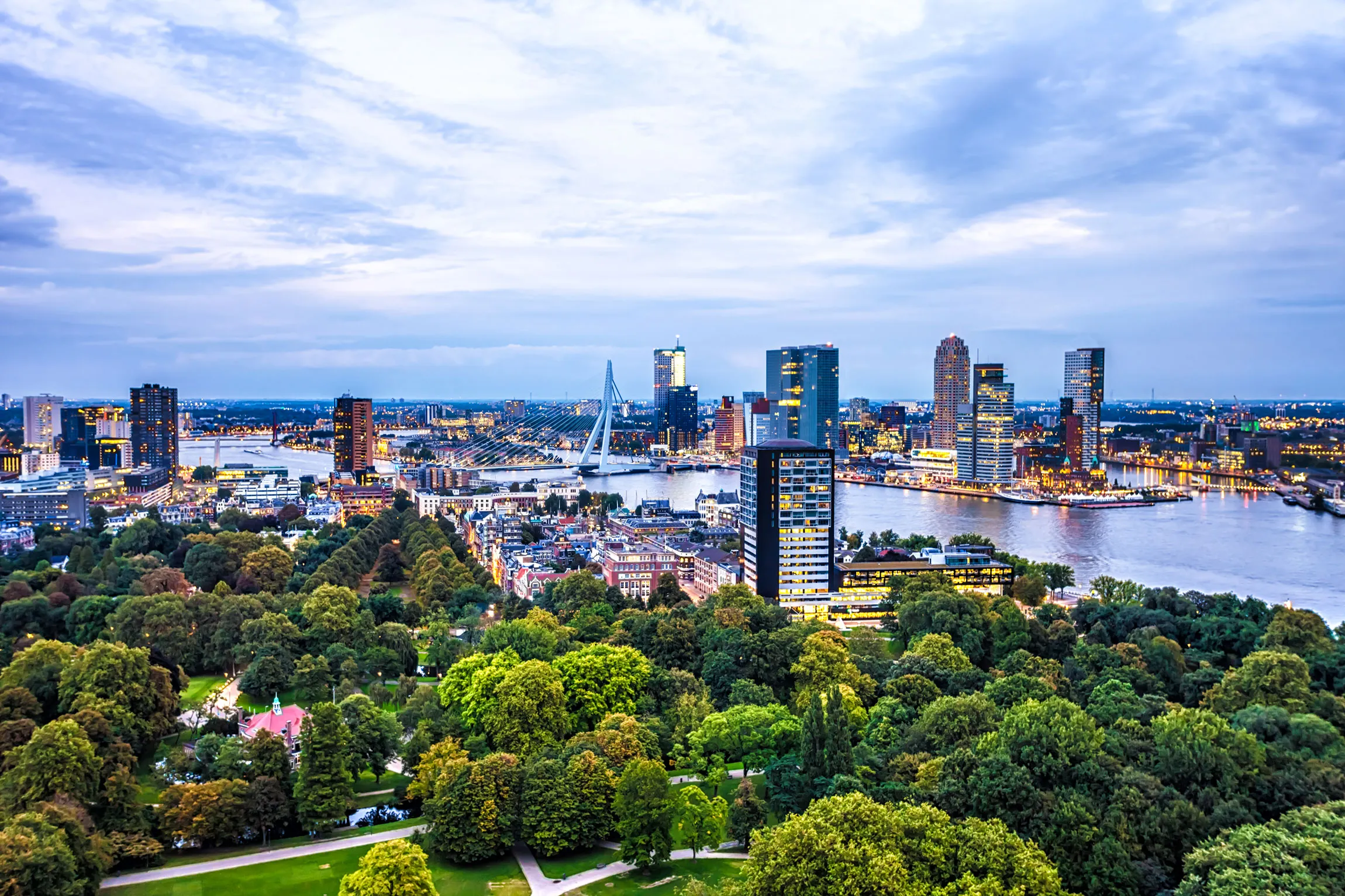
Porous Carbons from Captured CO2, Rotterdam
Capturing industrial CO2 and decomposing it into carbon, then upgrading it into activated carbon for filtration and energy storage.
Read the case study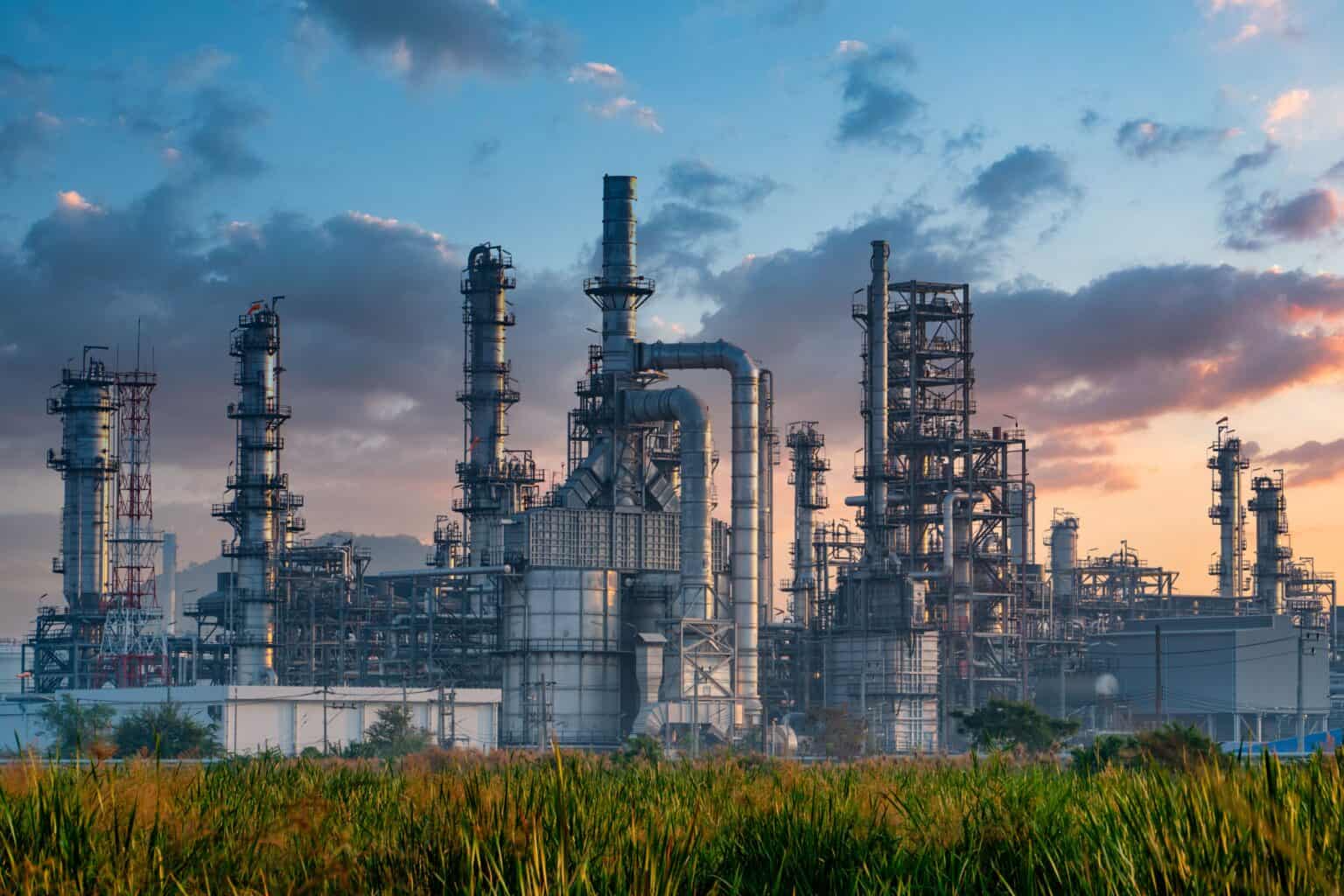

Start with a material need
Tell us the application, the specification you need and the volumes you expect. We will tell you which route fits and what a sample programme looks like.
