
Two platforms, one method.
Each platform recovers carbon from a waste stream, then upgrades it. The feedstocks differ. The engineering problem is the same: consistent material from variable inputs.
Platform 1
CO₂ Conversion and Upgrading
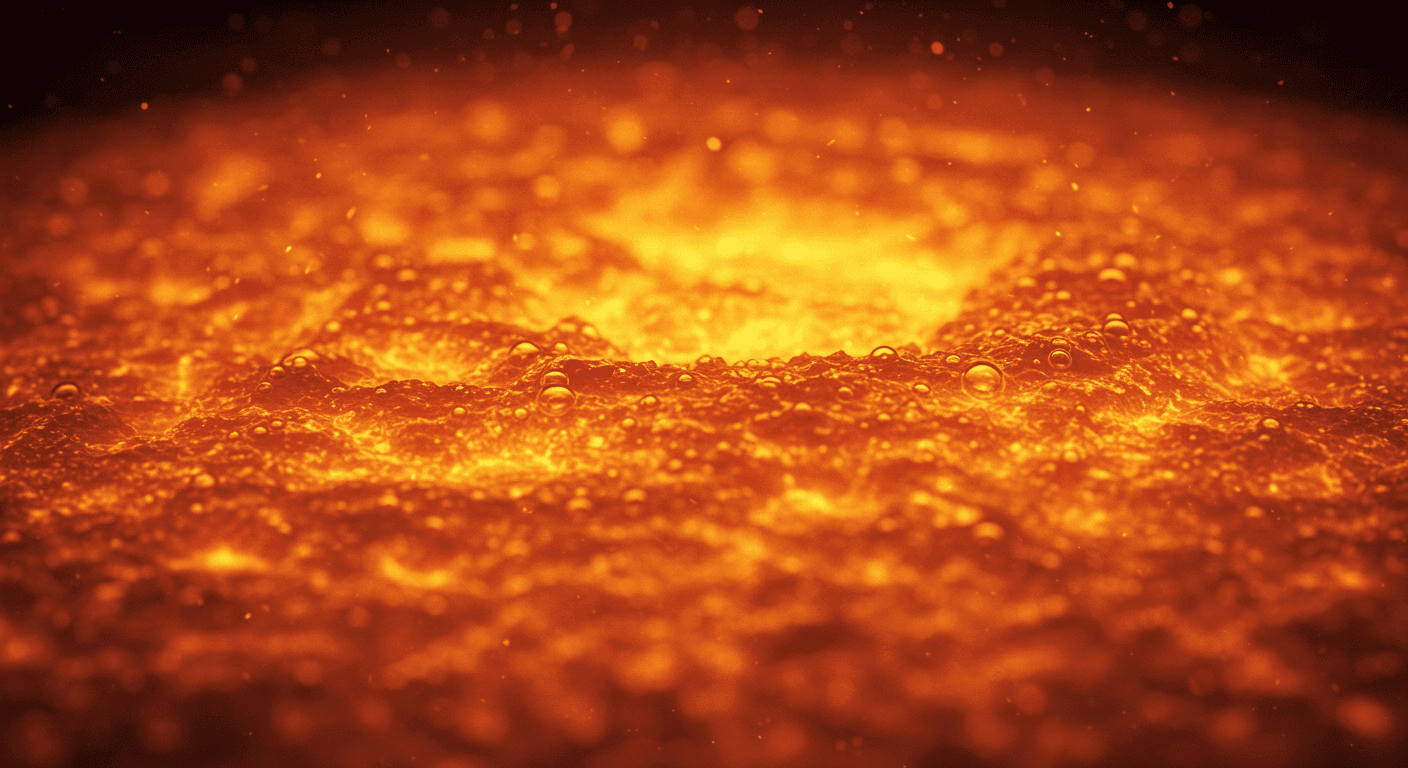
Patents pending. Captured CO₂ is decomposed into carbon, then upgraded into activated carbon with ash below 0.5%. Because the feedstock is a gas, the carbon carries almost none of the minerals found in coal or coconut-based grades. For supercapacitors, catalyst supports, purification and filtration.
CO₂ to carbon
Captured CO₂ is decomposed into solid carbon and oxygen. The carbon is collected for upgrading, and the only by-product is oxygen.
Carbon to activated carbon
Controlled activation etches a network of pores into the carbon, without breaking the particle up. The balance of macro, meso and micropores sets the surface area and how the material adsorbs, filters or stores charge.
Platform 2
Battery Recycling and Upgrading
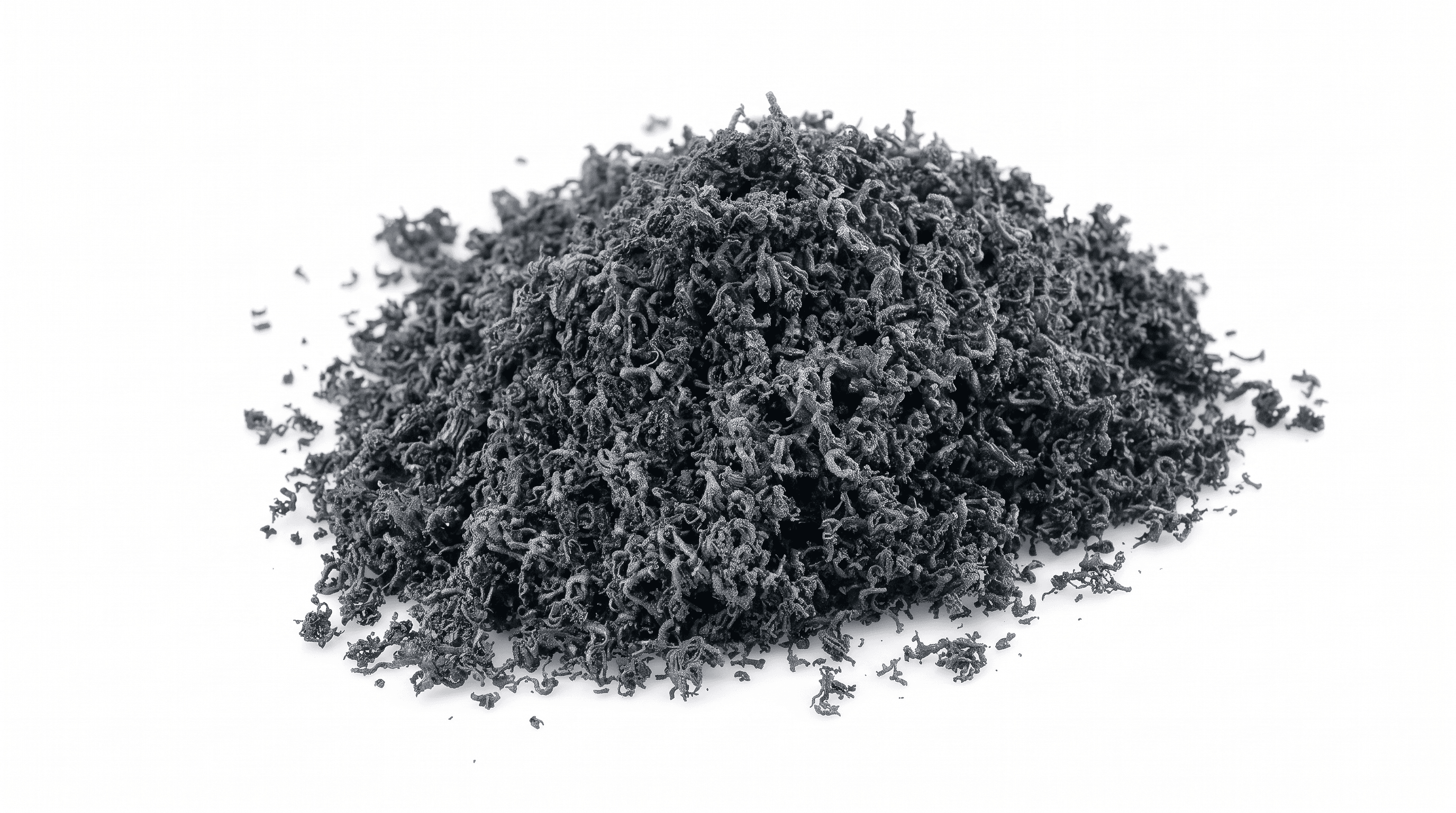
Patented. Graphite is recovered from black mass and purified to battery grade, then exfoliated into few-layer graphene. For anodes, conductive additives, thermal interfaces, coatings and composites.
Black mass to graphite
Black mass is a mix of graphite and cathode metal oxides. Selective enrichment separates and purifies the graphite to battery grade. The metal-rich white mass goes to metal recyclers, who can process it faster without the graphite.
Graphite to few-layer graphene
An applied potential drives ions between the graphite layers until they separate into sheets of a few layers thick, at conditions that keep the carbon lattice intact.
What makes the material usable
Know the feedstock
Composition, impurities and particle characteristics decide which route can deliver a useful result. Each feedstock is assessed before it is converted.
Control the conversion
Reaction conditions, activation, purification and exfoliation are engineered for repeatable output, not for a single ideal input.
Tune for the application
Surface area, pore structure, purity, conductivity and morphology are adjusted against the requirements of the end use.
Qualify the outcome
Materials are tested against practical criteria for batteries, filtration, supercapacitors and other industrial uses.
What is proven so far
Results from our pilot work in Rotterdam, and the programmes that fund it.
| Graphite recovery, Rotterdam pilot | 85% carbon recovery, 99.95% purityPerformance matching virgin graphite, verified in testing at Bournemouth University |
|---|---|
| Customers | Materials under evaluation with three European battery makers |
| Intellectual property | Platform 2 patented, Platform 1 patents pending |
| CO₂ conversion | TRL 7 unit in an industrial Fieldlab, being commissionedConnected to CO₂ from major emitters, Kansen voor West III |
| Where we build | RDM Innovation Dock, Port of RotterdamWith operations in the Netherlands and Greece |
| Public backing | EU Just Transition Fund, EFRO Kansen voor West, Province of Zuid-Holland, Greek national programmes |
Start with a material need
Tell us the application, the specification you need and the volumes you expect. We will tell you which route fits and what a sample programme looks like.
